
The Earth's nighttime temperature drop is a complex weather phenomenon driven by solar radiation decrease, atmospheric processes, and topographical features. Key factors include:
– Fronts and tropical cyclones forcing warm air upward, leading to rapid cooling and fog formation.
– Cloud cover influencing temperature through evaporation.
– Urban heat island effect causing faster cooling in cities.
– Advanced technology enabling precise predictions of nighttime temperature fluctuations.
– Topographical variations creating microclimates.
– Humid vs. dry air's varying cooling rates.
Understanding these natural weather processes is crucial for climate adaptation, from agriculture to urban planning. Observe and track temperature changes naturally using reliable thermometers away from direct sunlight or heat sources.
The nightly drop in temperature is a ubiquitous phenomenon, yet its underlying mechanisms remain a subject of fascination and scientific inquiry. Understanding why the weather naturally cools down during the evening hours is not just an academic pursuit; it has significant implications for agriculture, energy conservation, and even our daily routines. This article delves into the intricate interplay of atmospheric processes, radiative cooling, and thermal dynamics that conspire to lower temperatures as the sun sets, offering insights that enhance our appreciation for the complex natural world.
- The Natural Cooling Process: How Temperature Drops
- Factors Influencing Nighttime Chills: Weather's Role
- Scientific Explanations: Processes Behind the Drop
- Observing and Tracking Temperature Changes Naturally
The Natural Cooling Process: How Temperature Drops

The natural cooling process that occurs at night is a fascinating aspect of weather patterns, driven by various atmospheric phenomena. During twilight hours, as the sun sets and its warmth withdraws, the Earth begins to cool down. This drop in temperature is a result of complex interactions within our atmosphere. One primary factor is the decrease in solar radiation reaching the surface; as sunlight intensifies during the day, it heats up the land and oceans, which then radiates heat back into the air at night, leading to a cooling effect.
Fronts play a crucial role in this process, particularly cold fronts and their association with thunderstorm activity. Cold fronts act as barriers, forcing warm, moist air upward, where it cools rapidly, often condensing to form fog—a natural occurrence that can significantly impact local weather conditions. The formation of fog is an indication of the Earth’s surface cooling below the dew point, a term meteorologists use to describe the temperature at which air becomes saturated and water vapor condenses. In regions with frequent fog, especially during transitional seasons, this process contributes to the overall cooler nighttime temperatures.
Tropical cyclones, another significant weather phenomenon, also influence global temperature patterns. These powerful storms, characterized by low-pressure systems and intense heat exchange, can cause rapid cooling in their path. As warm, moist air is drawn into the cyclone, it ascends, leading to cloud formation and often heavy precipitation. This process not only cools the local area but also has far-reaching effects on atmospheric circulation, impacting global weather patterns. For instance, tropical cyclones play a role in distributing heat energy across the planet, helping regulate temperature differentials between day and night. Understanding these natural processes offers valuable insights into Earth’s complex climate system, as evidenced by the intricate interplay of fronts, fog formation, thunderstorm safety protocols, and tropical cyclone dynamics.
Explore these dawn to dusk phenomena and gain a deeper appreciation for nature’s marvels at our dedicated platform, where we delve into the science behind weather patterns.
Factors Influencing Nighttime Chills: Weather's Role
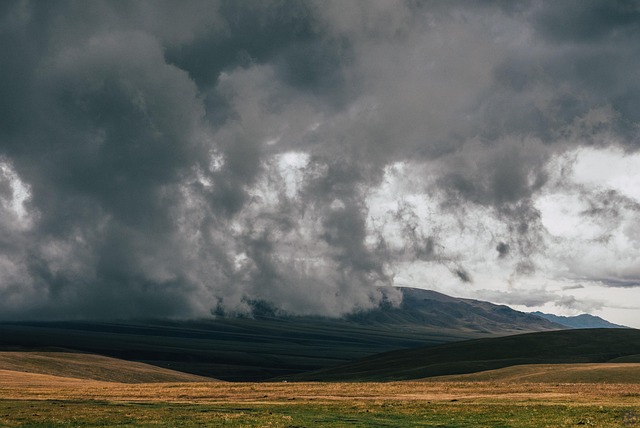
The nightly descent into colder temperatures is a multifaceted phenomenon, with the weather playing a pivotal role. Several factors contribute to the experience of chillier nights, each interacting in intricate ways to shape local climates. Cloud cover, for instance, significantly influences temperature drops through its impact on evaporation processes and the trapping of heat by certain types of clouds. The presence or absence of cloud cover can lead to rapid cooling or a more gradual decrease in temperature, respectively.
Weather modification methods, including those employed in urban planning, also play a role. Buildings, roads, and infrastructure absorb and re-radiate heat differently than natural landscapes, leading to what is known as the ‘urban heat island effect’. This phenomenon can cause temperatures to drop significantly in urban areas compared to nearby rural regions, particularly at night when surfaces cool more rapidly. Meteorological instruments and weather mapping techniques, continuously improving with technological advancements, help meteorologists predict and track these variations, enabling precise forecasts for nighttime temperature fluctuations.
Furthermore, the movement of air masses, often influenced by global wind patterns and local topographical features, can drive significant changes in temperature throughout the day and night. When cooler, dense air masses replace warmer ones, it can result in sudden drops in temperature, creating what are known as ‘dawn and dusk phenomena’. Understanding these factors is crucial for accurately predicting weather-related temperature shifts, especially during transitional seasons when variations are most pronounced. By leveraging advanced weather mapping and a comprehensive understanding of the interplay between atmospheric conditions and human-made environments, experts can provide valuable insights to help individuals prepare for and adapt to nighttime chills.
Scientific Explanations: Processes Behind the Drop
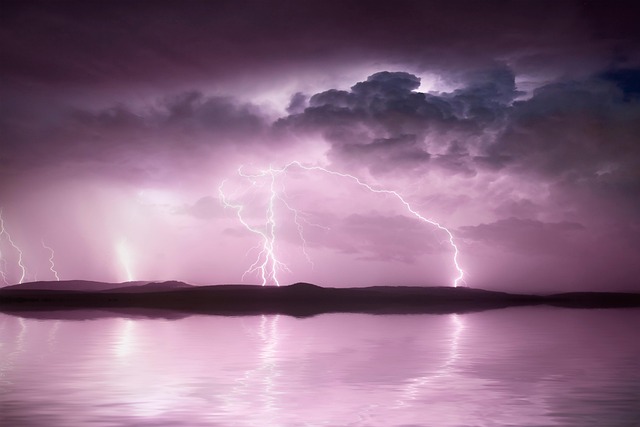
The nightly drop in temperature is a fascinating phenomenon rooted in intricate scientific processes that shape our weather naturally. This seasonal shift is primarily governed by thermal dynamics in weather, where energy exchange between the Earth’s surface and the atmosphere plays a pivotal role. During the day, solar radiation heats the land and bodies of water, causing the air above them to warm as well. As night falls, however, this heated air begins to cool due to its reduced interaction with the sun. This is particularly evident in areas with local microclimates, where topographical features can significantly influence temperature patterns.
A key factor contributing to the drop is the cooling effect of volcanic activity and weather systems. Volcanoes release various gases and particles into the atmosphere, which can both absorb and emit heat, leading to localized changes in temperature. Similarly, air pollution and weathering processes play a role by altering the composition of the air, affecting its ability to retain or radiate heat. In urban areas, for instance, the ‘urban heat island’ effect exacerbates this cooling phenomenon due to the high concentration of concrete and asphalt that absorb and retain heat. This phenomenon is further amplified during certain weather events, such as tropical cyclones 101, which can bring in cooler air masses or intensify local cooling effects through increased cloud cover and precipitation.
The intricate interplay of these factors results in the natural temperature drop observed at night. Understanding these processes not only sheds light on our planet’s complex climate dynamics but also informs strategies for adapting to changing weather conditions. For instance, awareness of microclimates can enhance agricultural practices by optimizing planting seasons, while knowledge of thermal dynamics aids in developing more effective cooling systems for urban areas. By delving into these scientific explanations, we gain valuable insights that foster a deeper appreciation for the intricate balance of our Earth’s weather and climate.
Observing and Tracking Temperature Changes Naturally
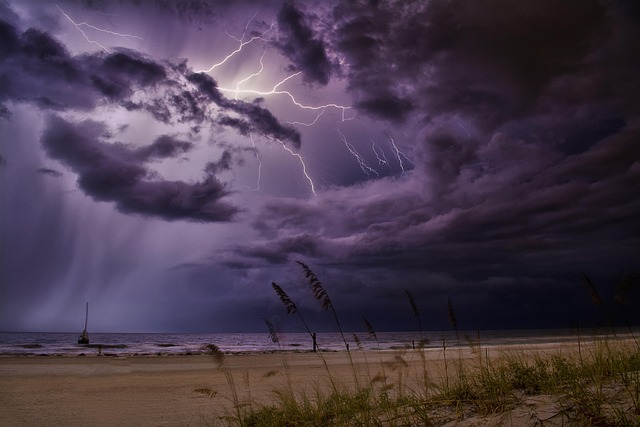
Temperature changes across the day are a fundamental aspect of weather naturally, governed by various processes that interact to shape our climate. At night, a distinct cooling trend often occurs, offering insights into both natural and human-induced environmental dynamics. This phenomenon can be attributed to several key factors, with humidity and air masses playing pivotal roles in the weathering and erosion cycle.
One of the primary drivers is the reduction in solar radiation as the Earth rotates on its axis. During the day, sunlight warms the surface, while at night, this heating slows down, leading to a decrease in temperature. This natural process is further influenced by the type of air masses prevalent during different seasons. Humid air, rich in moisture, tends to hold heat more effectively than dry air, resulting in later-day warming and potentially delaying nighttime cooling. Conversely, dry air cools faster, leading to quicker drops in temperature after sunset. Tracking these changes using precise temperature measurement devices is crucial for understanding local climate patterns and predicting weather conditions.
Weather modification methods, though controversial, also impact night-time temperatures. Artificial cloud seeding, for instance, can enhance precipitation but may alter atmospheric cooling mechanisms. In areas with significant urban development, the heat island effect often causes warmer nights due to the higher concentrations of concrete and asphalt that absorb and retain heat. Conversely, rural or coastal regions might experience cooler nights because of lower human activity and increased moisture from bodies of water. To gain a holistic view, scientists study both local microclimates and global weather patterns, factoring in elements like wind patterns, ocean currents, and atmospheric pressure systems.
Practical advice for those interested in observing and tracking temperature changes naturally involves utilizing simple yet accurate tools. Invest in reliable thermometers to measure air temperature at different times of the day and night, positioning them away from direct sunlight or heat sources. Compare these readings with data from local weather stations or online climate resources. For instance, during a typical summer evening, you might notice that temperatures peak around 8-9 PM due to the daily heating cycle before beginning to drop as the Earth’s rotation slows down solar exposure. Visit us at [fog formation process thunderstorm safety protocols] to learn more about engaging with these natural processes and staying informed about environmental changes.
In understanding why temperature drops at night, this article has illuminated several key insights. Primarily, it’s through the natural cooling process—a combination of heat loss to space and Earth’s rotation—that temperatures plummet. Weather plays a significant role by influencing factors like atmospheric moisture and wind patterns, moderating or intensifying these drops. Scientifically, various mechanisms, from radiation to convection, contribute to this phenomenon. By observing and tracking temperature changes naturally, we gain valuable insights into our planet’s intricate climate dynamics. Moving forward, staying informed about these weather-driven shifts is crucial for preparedness and adaptation in varying environments.