
Rainbows are optical phenomena caused by sunlight refracting through water droplets, revealing insights into weather patterns influenced by global wind patterns, Earth's rotation, and ENSO events. Weather radar technology, cloud studies, and satellite imagery enhance meteorological predictions. Cloud cover, precipitation, and atmospheric conditions govern rainbow formation, with seasonal variations impacting intensity. Water vapor, oceanic currents, and weathering cycles are key to understanding weather naturally, climate dynamics, and rainbow science. Observing rainbows offers a unique window into dramatic skies and storm movements, guided by advanced tracking methods and environmental factors.
Rainbows, those captivating arcs of vibrant hue, have long fascinated humans. More than mere optical illusions, they’re a testament to the intricate interplay between sunlight, water droplets, and weather patterns. Understanding the science behind rainbows offers profound insights into atmospheric phenomena, enhancing our appreciation for nature’s beauty. However, comprehending this process involves delving into the complex interactions of optics and meteorology. This article provides an authoritative exploration of these principles, unraveling the mysteries of how rainbows form in varying weather conditions, and shedding light on nature’s most captivating displays.
- The Physics of Light: Unlocking Rainbow Secrets
- Weather Conditions: When Rainbows Appear
- Dispersion and Refraction: Creating the Spectacle
- Cloud Formation: The Canvas for Sky Art
- Water Vapor: A Key Ingredient in the Process
- Observing and Studying: Capturing Rainbow Wonders
The Physics of Light: Unlocking Rainbow Secrets

The science behind rainbows is deeply intertwined with the physics of light, offering a captivating window into nature’s optical mysteries. When sunlight encounters water droplets in the atmosphere, it undergoes a complex interaction known as refraction and reflection. This process breaks white light into its constituent colors, creating the vibrant spectrum we recognize as a rainbow. Understanding this phenomenon provides valuable insights not only into the natural world but also into weather patterns naturally.
The El Niño-Southern Oscillation (ENSO), for instance, significantly impacts global wind patterns, leading to altered rainfall and, consequently, more frequent rainbows in some regions. In tropical climates, where ENSO effects are pronounced, increased cloud cover and heavier precipitation create ideal conditions for these optical displays. Weather radar technology plays a crucial role in studying these phenomena, allowing meteorologists to track weather systems and their potential for generating rainbow-forming conditions. By analyzing data from polar and tropical climates, researchers gain valuable insights into atmospheric composition and particle size distributions, which are key factors in determining the intensity and frequency of rainbows.
Snowfall mechanics also contribute to our understanding of light interaction with weather. The size and shape of snowflakes can influence how light passes through them, sometimes resulting in stunning effects like iridescent colors or even rainbow-like patterns on surfaces. This knowledge is not merely academic; it has practical applications in fields like remote sensing and climate science. By examining the interplay between light and various forms of precipitation, scientists can better interpret satellite imagery and develop more accurate weather forecasts. For instance, understanding how snowflakes scatter light can enhance our ability to monitor snowfall rates using remote sensing technologies.
To delve deeper into these topics, explore global wind patterns overview and stay updated with the latest research findings. Whether you’re a scientist or a curious individual, delving into the physics of light unlocks not only the secrets of rainbows but also offers valuable perspectives on our ever-changing weather conditions.
Weather Conditions: When Rainbows Appear

Rainbows are a captivating phenomenon, offering a vibrant display of nature’s artistry against the canvas of our sky. Their appearance is closely tied to specific weather conditions, which we’ll delve into here. The interplay between sunlight, water droplets, and atmospheric elements creates this awe-inspiring sight. One crucial factor is the global wind patterns overview; these winds play a pivotal role in transporting water vapor and particles that are essential for rainbow formation.
The earth’s rotation also influences weather conditions naturally, causing variations in air pressure and temperature zones. This affects cloud formation and precipitation patterns, directly impacting where and when rainbows may appear. For instance, during tropical storms, the intense heat and moisture create optimal conditions for these optical wonders to emerge. In contrast, polar climates offer a different scenario; here, cold air masses and specific atmospheric compositions can lead to unique rainbow displays, often observed in the aftermath of precipitation.
Weather radar technology has revolutionized our understanding and tracking of these weather-related phenomena. Advanced systems, capable of detecting and mapping rainfall intensity, help meteorologists predict when rainbows are most likely to form. For instance, polarimetry techniques allow for the distinction between different types of cloud structures, enabling experts to identify potential rainbow-producing conditions. By combining data from various sources, including satellite imagery and ground sensors, meteorological instruments provide a comprehensive weather mapping technique. Visit our website at [meteo-instruments.com](https://meteo-instruments.com) to learn more about these cutting-edge tools.
In summary, understanding the science behind rainbow appearances requires an in-depth look at global wind patterns and the earth’s rotation influence on local weather conditions. By utilizing modern weather radar technology and mapping techniques, experts can offer precise insights into when and where these atmospheric spectacles are most likely to grace our skies, ensuring that folks worldwide can appreciate their beauty.
Dispersion and Refraction: Creating the Spectacle

The science behind rainbows and weather is a fascinating interplay of physics and atmospheric conditions, particularly focused on dispersion and refraction. These natural phenomena occur when sunlight interacts with water droplets in the atmosphere, creating a spectrum of colors that dances across the sky—a true spectacle of nature. The process begins with sunlight, which consists of various wavelengths of light, each corresponding to different colors. As this light enters a water droplet, it slows down and bends or refracts due to the change in medium from air to water. This bending causes the light to disperse into its constituent colors, much like passing through a prism. The resulting spectrum is what we perceive as the vibrant hues of a rainbow.
Cloud layer thickness plays a crucial role in this process, as it influences how sunlight interacts with water droplets. During an El Niño Southern Oscillation (ENSO) event, for instance, changes in atmospheric pressure and ocean temperatures can lead to altered cloud layer thicknesses. These variations impact the intensity and visibility of rainbows by affecting the number and size of water droplets available to refract and disperse light. Measurement of cloud layer thickness, typically done 1-3 times per day using advanced weather satellites, is thus a critical component in understanding weather patterns and their influence on these optical phenomena.
Atmospheric instability, another key factor, can cause rainbows to appear more frequently or intensely. When air masses are unstable, they tend to separate into distinct layers with varying temperatures and densities, creating conditions conducive to the formation of multiple rainbows. For instance, a double rainbow occurs when light passes through two distinct cloud layers, splitting into two sets of colors. This rare spectacle is a testament to the intricate interplay between weather naturally and the physics of light. By delving into these principles and incorporating data from advanced measurements like cloud layer thickness, scientists can better predict and appreciate the beauty of atmospheric phenomena, such as finding us at the intersection of meteorology and optics.
Cloud Formation: The Canvas for Sky Art

Clouds, often considered mere bystanders in the grand spectacle of weather, are in fact, the very canvas upon which nature paints its most vibrant sky art—the rainbow. Understanding cloud formation is crucial to comprehending the intricate dance between atmospheric conditions and visible light, culminating in this awe-inspiring phenomenon. These floating reservoirs of water droplets or ice crystals not only affect weather naturally but also play a pivotal role in weather forecasting techniques.
Cloud cover significantly impacts evaporation processes, influencing the distribution and intensity of precipitation. The seasonal weather changes further complicate matters, as different cloud types form under varying atmospheric conditions throughout the year. For instance, cumulus clouds, known for their fluffy appearance, are often harbingers of fair weather, while nimbostratus clouds, dark and thick, signal prolonged rain or snow. By studying these cloud patterns, meteorologists can predict weather changes with greater accuracy.
The science behind rainbows is closely tied to the behavior of light as it interacts with water droplets in these clouds. As sunlight enters a cloud, it undergoes refraction, bending upon entry and exit, causing its spectrum of colors to separate. This dispersed light then reflects off tiny water droplets within the cloud, further enhancing the color separation before reaching our eyes. Seasonal weather changes impact this process by affecting cloud layer thickness, which in turn influences both the intensity and frequency of rainbow displays.
To gain deeper insights into these atmospheric marvels, visit us at cloud layer thickness measurement for a comprehensive exploration that delves into the intricate details of weather forecasting and the wonders of our sky’s canvas.
Water Vapor: A Key Ingredient in the Process

Water vapor, a ubiquitous component of our atmosphere, plays a pivotal role in the intricate process of weather formation, particularly in the emergence of rainbows. This invisible element, present in both trace amounts and massive volumes, is the linchpin connecting atmospheric conditions, optical phenomena, and the dynamic nature of weather naturally. When sunlight encounters water droplets in the air, it undergoes refraction, causing the light to bend and split into its constituent colors, resulting in the breathtaking spectacle of a rainbow.
The presence of water vapor is intrinsically linked to various meteorological phenomena. For instance, oceanic currents, driven by Earth’s rotation and temperature gradients, transport massive volumes of water vapor from coastal regions to inland areas, influencing local weather patterns significantly. These currents, such as the Gulf Stream, act as conveyor belts, distributing moisture across continents, which subsequently contributes to rainfall, snowfalls’ mechanics, and even extreme weather events. The role of water vapor in these processes underscores its critical position in shaping our planet’s climate and weather naturally.
Moreover, the weathering and erosion cycle, a continuous process where rocks are broken down by physical, chemical, and biological agents, releases additional water vapor into the atmosphere. As these weathered materials erode and dissolve, they contribute to the overall moisture content, further enhancing weather conditions. Understanding this interplay between geological processes and atmospheric composition is essential for our exploration of cloud erosion and dissipation, as well as gaining insights into the intricate atmospheric composition analysis that visit us at clouderosionanddissipation.com reveals.
In essence, water vapor’s pivotal role in weather formation is a testament to nature’s delicate balance and complex interactions within our environment. By delving into these processes, we gain valuable knowledge about the science behind rainbows, snowfall mechanics, oceanic currents’ effects, weathering and erosion cycles, and the overall dynamics of Earth’s climate system, enriching our understanding of this ever-changing world.
Observing and Studying: Capturing Rainbow Wonders
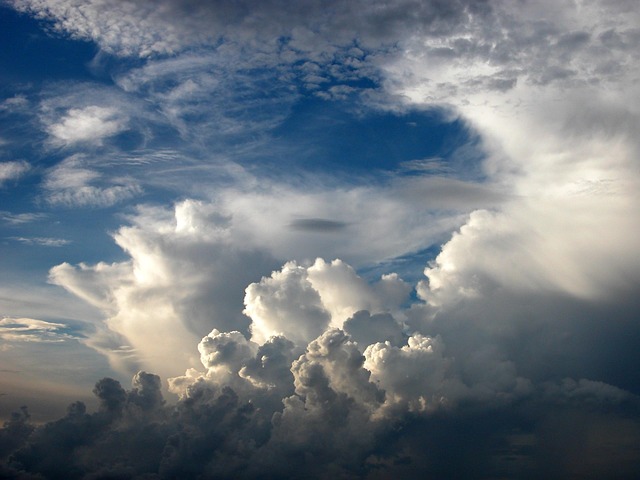
Observing and studying rainbows offers a captivating glimpse into the intricate interplay between sunlight, atmospheric conditions, and water droplets, revealing much about the weather naturally unfolding around us. These vibrant displays of color are more than just aesthetic wonders; they provide valuable insights into cloud cover, atmospheric composition, and even the movement of storms. By employing advanced storm tracking methods and meteorological instruments, scientists and weather enthusiasts alike can gain a deeper understanding of the processes that give rise to these celestial phenomena.
To capture the essence of rainbows, one must consider the interplay of several factors. Lightning and thunder formation, for instance, are integral to the creation of dramatic atmospheric conditions that often precede a rainbow’s appearance. As storm clouds gather, their internal processes generate electric charges, leading to the spectacle of lightning flashes. Simultaneously, the rapid evaporation of water droplets within these clouds contributes to the formation of ice crystals, which scatter and refract sunlight, ultimately giving rise to the vibrant hues of a rainbow. Cloud cover plays a crucial role in this process; thick cloud layers can block sunlight, hindering rainbow formation, while scattered or broken clouds provide the optimal conditions for these optical phenomena to emerge.
Weather mapping techniques have evolved significantly, allowing meteorologists to predict and track storms with unprecedented accuracy. By utilizing radar systems and satellite imagery, they can monitor cloud movement, identify areas of high humidity, and anticipate the formation of rainbows. For instance, data from weather balloons equipped with sophisticated sensors provides valuable insights into atmospheric pressure, temperature, and moisture levels, all of which influence the behavior of clouds and the likelihood of rainbow formation. Moreover, visiting us at weathering and erosion cycle can offer additional perspectives on how environmental factors shape the conditions that favor rainbow display.
Practical advice for observing and studying rainbows includes seeking out locations with minimal pollution and light pollution, as these factors can impair the clarity of colors. The best time to view a rainbow is often after a rainfall when the sun breaks through the clouds, casting its light at a specific angle to interact with water droplets in the atmosphere. Utilizing meteorological instruments like prisms or specialized camera equipment can enhance the experience by capturing detailed images that reveal the intricate patterns and colors of a rainbow more clearly.
Understanding the science behind rainbows and weather reveals a captivating interplay of physics and nature. From the fundamental principles of light dispersion and refraction to the complex atmospheric conditions required for their formation, each element contributes to this awe-inspiring phenomenon. By exploring the role of water vapor in cloud creation and its subsequent interaction with sunlight, we gain insights into the dynamic relationship between weather patterns and these vibrant displays. This knowledge encourages us to appreciate the intricate beauty of our natural world while inspiring further study and observation, ultimately deepening our connection to and understanding of weather-related phenomena.